Yoga for tight hips and a stiff lower back: gentle poses and what research says
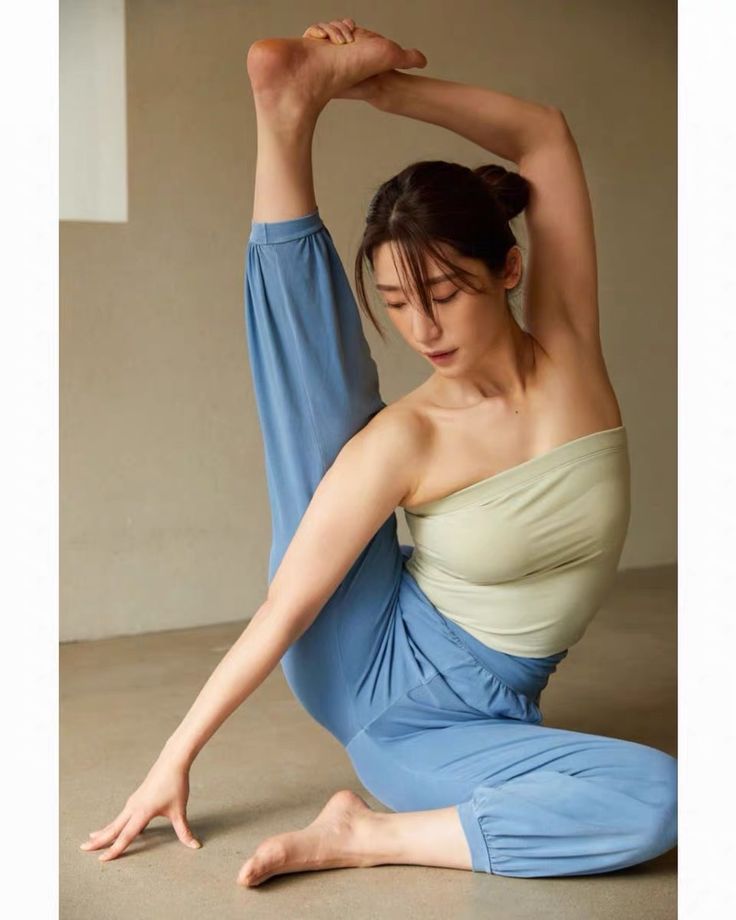
Hours at a desk, long commutes, hard workouts and plain old stress all have something in common: they tend to leave the hips tight and the lower back stiff. Because the hips and lower back are closely connected, tension in one area often shows up in the other. Yoga is a popular way to address both, with gentle stretches that improve mobility and encourage you to notice how you sit, stand and move.
This guide explains why hips and lower back often feel tight, what research says about yoga for back pain, and how to practice eight gentle poses. It also includes a short routine and, importantly, advice on when to see a health professional first, because back pain can have many causes.
Why hips and lower back get stiff
- Prolonged sitting keeps the hip flexors shortened and the glutes inactive, which can change how the pelvis and spine are positioned
- Reduced movement variety means joints are not taken through their full range
- Muscle weakness or imbalance, for example in the core and glutes, can leave the lower back doing extra work
- Stress and tension often lead us to hold muscles tightly, including those around the hips and back
- Exercise patterns, such as running or cycling, can build tightness without compensating stretches
These are common patterns, not diagnoses. If you have significant pain, numbness, tingling or weakness, see a health professional rather than assuming it is simple tightness.
What does the research say?
The research is encouraging but modest. According to the U.S. National Center for Complementary and Integrative Health (NCCIH):
- Studies of yoga for low-back pain and neck pain have had promising results, and yoga is among the options the American College of Physicians recommends as first-line treatment for chronic low-back pain
- A 2020 report by the Agency for Healthcare Research and Quality evaluated 10 studies of yoga for low-back pain (1,520 participants) and found that yoga improved pain and function in both the short term (1 to 6 months) and the intermediate term (6 to 12 months), with effects similar to those of exercise
- A 2022 review of 21 studies (2,223 participants) found yoga was slightly better than no exercise, but the small difference may not be important to patients
So yoga can be a reasonable, low-cost option, and its effects appear similar to other forms of exercise. It is not a guaranteed fix. The NCCIH also stresses that styles and study designs vary, which limits conclusions. If you have back pain, work with a doctor or physiotherapist.
Safety first: who should check with a professional
Yoga is generally considered safe for healthy people when practiced appropriately, but the NCCIH notes that you can get hurt and that learning without guidance has been linked with higher risk. Check with a doctor or physiotherapist before starting if you:
- Have sharp, severe or worsening back pain
- Have pain that travels down a leg, numbness, tingling or leg weakness (these can signal nerve involvement, such as sciatica)
- Have had a recent injury, fall or surgery
- Have a disc problem, spinal stenosis, osteoporosis or a hip replacement
- Have a history of cancer, or unexplained weight loss or fever with back pain
- Are pregnant (poses often need modification)
- Have loss of bladder or bowel control, or numbness in the groin area. This is an emergency. Seek urgent medical care
MedlinePlus lists sciatica, arthritis, high blood pressure, glaucoma and pregnancy among situations where some yoga poses may need to be avoided or modified.
General guidelines for practice
- Warm up first with a few minutes of gentle movement
- Move slowly and avoid bouncing
- Stay within a comfortable range. You should feel mild stretch, not pain
- Keep your spine long in forward folds, hinging from the hips with bent knees if necessary
- Use props such as blocks, blankets and straps
- Strengthen as well as stretch. Tight hips and a sore back often benefit from stronger glutes and core
- Breathe smoothly. If you hold your breath, the pose is too intense
- Stop if pain increases, and see a professional if it persists
Eight gentle poses
1. Constructive rest
Lie on your back with your knees bent and your feet flat on the floor, hip-width apart. Rest your hands on your belly or by your sides. Breathe slowly for two to three minutes. This relaxes the back muscles and helps you tune in to your body.
2. Knees-to-chest pose (Apanasana)
From lying on your back, hug both knees toward your chest, holding your shins or the backs of your thighs. Rock gently from side to side if it feels good. Hold for five to ten breaths. This gently stretches the lower back and hips.
3. Cat-Cow
Come onto hands and knees, wrists under shoulders and knees under hips. Inhale, let the belly drop and lift your chest and tailbone slightly. Exhale, round your spine toward the ceiling. Move slowly for eight to ten rounds. Keep the movements small if your back is sensitive.
4. Supine figure-four stretch
Lie on your back with your knees bent. Cross your right ankle over your left thigh, just above the knee. Flex your right foot to protect the knee. Draw your left thigh toward your chest, holding behind the thigh. Hold for five to eight breaths, then switch sides. This stretches the outer hip and glutes. If your hips are tight, rest your head and keep your shoulders relaxed, or place a strap around your thigh.
5. Low lunge (Anjaneyasana)
From hands and knees, step your right foot forward between your hands. Lower your left knee onto a folded blanket. Sink your hips forward and down until you feel a stretch in the front of the left hip. Rest your hands on blocks, your thigh or the floor. Keep your front knee over the ankle. Hold for five to eight breaths each side. Avoid arching the lower back. If you feel pinching, tuck your tailbone slightly.
6. Supine twist (Supta Matsyendrasana)
Lie on your back, hug your knees to your chest, then drop both knees to the right with your arms out like a T. Turn your head gently to the left if comfortable. Place a pillow under your knees for support. Hold for five to ten breaths, then switch sides. Keep the twist gentle and avoid forcing.
7. Bridge pose (Setu Bandha Sarvangasana)
Lie on your back with your knees bent and feet hip-width apart, close to your hips. Press into your feet and lift your hips, squeezing your glutes gently. Keep your thighs parallel and your neck relaxed. Hold for three to five breaths and lower slowly. This builds strength in the glutes and the back of the legs, which supports the lower back. Repeat three to five times.
8. Child's pose (Balasana)
Kneel with your knees wide and sit back toward your heels. Fold forward and rest your forehead on the mat or a block. Reach your arms forward or alongside your body. Breathe into your lower back. Hold for one to three minutes. If sitting on your heels is uncomfortable, place a folded blanket between your thighs and calves.
A 20-minute routine
- Constructive rest (2 minutes)
- Knees-to-chest (1 minute)
- Cat-Cow (2 minutes)
- Supine figure-four (2 minutes per side)
- Low lunge (1.5 minutes per side)
- Bridge pose (3 sets of 5 breaths, about 2 minutes)
- Supine twist (1.5 minutes per side)
- Child's pose (2 minutes)
Practice three to four times a week, and notice how your body feels afterward. If your back feels better, keep going. If it feels worse, reduce intensity or stop and seek advice.
Strengthening for the long term
Flexibility alone will not fix a stiff back or tight hips. The muscles that support the spine and pelvis need strength too. Gentle options within yoga include:
- Bridge pose for glutes and hamstrings
- Bird-Dog, extending the opposite arm and leg from hands and knees, to train core stability
- Plank or forearm plank, held for short periods with good form
- Warrior poses, which strengthen the legs and hips
Combine these with regular walking and breaks from long periods of sitting. Standing up and moving for a minute every 30 to 60 minutes can reduce stiffness.
Posture and daily habits
- Vary your position. Switch between sitting, standing and walking
- Set up your workspace so that your feet are flat, your screen is at eye level and your lower back is supported
- Sleep position: if you sleep on your side, a pillow between the knees may help. If you sleep on your back, a pillow under the knees can reduce lower back strain
- Lift with your legs, not your back
- Manage stress, as tension can worsen back discomfort. Slow breathing and relaxation help many people
A note on hips, glutes and standing habits
The hips are not just a stretching target. They contain some of the largest and strongest muscles in the body, and they work best when mobility and strength are balanced. If your hips are tight, it is worth asking why. Sometimes the muscles are short from long periods of sitting. In other cases, they are working hard to stabilize a weak area and feel tight as a protective response. In that case, stretching alone may bring temporary relief but little lasting change, and strengthening may help more.
Pay attention to how you stand and walk. Do you stand with your weight on one leg, lock your knees or tuck your pelvis? Small habits like these repeat thousands of times each day. A few times a day, stand with your feet hip-width apart, soften your knees, and feel your weight spread evenly across both feet. This simple reset connects directly with Mountain pose in yoga. If you notice that one hip feels tighter than the other, practice both sides equally, and mention persistent differences to a physiotherapist, who can assess whether something more than simple tightness is involved.
Common mistakes
- Forcing deep stretches, which can irritate muscles and joints
- Folding with a rounded back and straight legs, which loads the lower back. Bend your knees
- Ignoring pain signals. Mild stretch is fine. Sharp or radiating pain is not
- Doing only stretching. Combine mobility with strength
- Expecting overnight change. Improvement, if it comes, usually takes weeks
- Skipping the doctor. Persistent or severe pain deserves proper evaluation
Frequently asked questions
Can yoga cure back pain? Not reliably. Research suggests it may help with chronic low-back pain, with effects similar to other exercise, but results vary.
How often should I practice? Three to four short sessions a week is a practical start. Daily gentle movement is also fine if it feels good.
Which style is best for hips and back? Gentle hatha, restorative and slow flow classes are usually safest. Choose a teacher who offers modifications and respects limits.
Should I stretch before bed? A few gentle poses can help you unwind, but avoid intense stretches right before sleep if they leave you energized or sore.
What if a pose causes pain? Stop, back off and try a smaller version or a different pose. If pain persists, see a health professional.
Final thoughts
Yoga can be a kind, practical way to work with tight hips and a stiff back, especially when it combines gentle stretching, strength and attention. Start small, be patient and don't hesitate to get professional advice for pain that does not settle. The goal is a body that moves comfortably, one session at a time.
Sources and further reading
- National Center for Complementary and Integrative Health (NCCIH), Yoga: Effectiveness and Safety
- NCCIH, Yoga: What You Need To Know
- NCCIH, 5 Things You Should Know About Yoga
- MedlinePlus, Yoga
This article is general information, not medical advice. Consult a qualified professional about your health and your practice.